Details to check before choosing Barcelona day trips
Barcelona is easy to explore on foot, yet the best days often begin with a decision about what sits beyond the city limits. Coastal towns, medieval streets, vineyards and art museums all pull attention in different directions. Before committing to barcelona day trips, it helps to look past the attractive photos and check the practical details that shape the day.
A good trip is not simply the one with the most stops. It is the one that matches your pace, your interests and the time you actually have. A short break may suit a half day by the sea, while a longer stay can support a fuller route inland. The points below keep that choice grounded.
Start with the route and the time away
Look at the itinerary as a sequence, not a list of names. Note where the day begins, how long each transfer takes and how much time is left for wandering. A route that promises three destinations may sound generous, but it can leave little room for lunch, queues or a slow walk through an old town. If the idea is a relaxed day, one main destination with a clear return time is often better than a packed circuit.
Check whether the return point is the same as the departure point. Some routes finish near a different station or district, which can be useful if you plan to continue exploring, but awkward if you need to get back to a hotel before an evening commitment. The shape of the day matters as much as the places on the page.
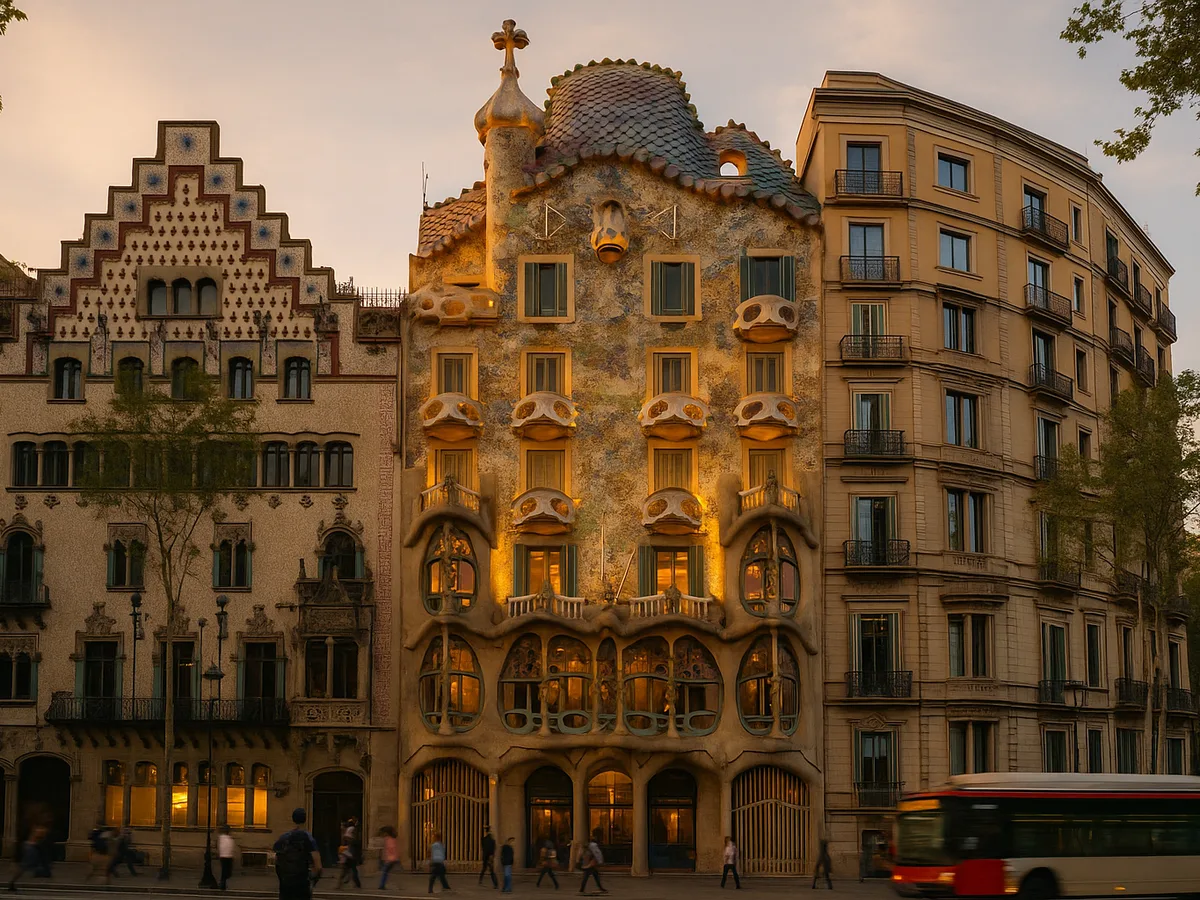
When comparing city tours barcelona, pay attention to the balance between travel and time on site. A coastal journey may include long stretches on a coach or train, while an urban route may spend more time outdoors. Neither is better by default. The right choice depends on whether you want scenery, history, food, art or a bit of each.
Match the destination to your interests
Different day routes deliver very different moods, and the name on the booking page should point to something you genuinely enjoy. A few common directions are worth weighing carefully:
- Coast and seaside towns. Sitges suits travellers who want sea air, narrow streets and a compact place to wander. Lloret de mar leans more toward a busy beach setting, so it may fit a lively day better than a quiet one.
- History and architecture. Tarragona offers Roman remains and a layered old centre, while girona is known for its stone lanes, cathedral and views over the river. Both reward people who like walking and reading a place slowly.
- Art with a clear focus. The figueres dalí museum can anchor a day built around one distinctive collection. It works best when there is enough time to enter without rushing through the surrounding town.
- Smaller medieval settings. Besalú can appeal to travellers who prefer stone bridges, compact streets and a quieter rhythm than a large city offers.
- Wine and landscape. A wine region route tends to suit people interested in vineyards, tastings and rural scenery. Check whether tastings are included or simply available, as the two are not the same.
It also helps to ask whether the destination is worth the travel time for you. Some places shine as a calm break from a busy city. Others are best given a full day or even an overnight stay. A clear personal priority makes the decision much easier than chasing the longest itinerary.
Check what is included, and what is not
Inclusions can change the value of a day more than the headline suggests. Look for transport, guiding, entry tickets, meals and any local visits that require pre-booking. If entry to a museum, cathedral or historic site is part of the plan, confirm whether admission is covered or whether free time is simply provided. That distinction affects both the budget and the pace.
Meals deserve a similar check. Some days include a set lunch, others allow time in a café or restaurant, and some leave only a short break. If you have dietary needs, look for routes where you can choose your own food rather than relying on a fixed menu. A flexible lunch stop is especially useful on family days or when travelling with several people who have different preferences.
Also check the language of the guide and the style of commentary. A knowledgeable guide can make ruins, streets and galleries far clearer, but only if the explanation is delivered in a language you follow comfortably. If the day is mostly independent, make sure the instructions and meeting details are simple to understand.
Look closely at timing and group size
Start times can be tucked away in small print, yet they shape the whole day. Early departures may give you quieter streets and more daylight, but they can be hard after a late night. Later starts feel easier, though they may compress the schedule and push the return into the evening. Check the full duration, including transfers, stops and any waiting time.

Group size changes the feel of a trip. Smaller groups usually allow smoother movement through narrow streets and more chances to ask questions. Larger groups can still work well, especially when the route is open and the guide uses clear meeting points. Think about how much structure you want. A highly organised day reduces decisions, while a looser one leaves more space for personal discoveries.
Weather is another practical check. Coastal routes can feel different in strong sun or wind, and inland walks are less pleasant during heavy rain. Look at the forecast before choosing clothing, footwear and the type of day. If a route depends on outdoor time for most of its appeal, a poor forecast may change whether it is worth booking at all.
Season also matters. Popular places can feel crowded at peak times, and museums or attractions may adjust hours. Some city tours barcelona include indoor stops that work well on cooler or wetter days, while others focus on open streets and viewpoints. Reading the route with the season in mind prevents a mismatch between expectation and reality.
Confirm the meeting details before you book
Most disappointing days begin with a simple logistics error. Check the meeting point, the time you should arrive and whether the location is easy to reach from where you are staying. A nearby metro stop or a clear square is helpful. A vague address is not. Look for what happens if you are delayed, and whether contact details are provided in advance.
- Departure point: Confirm the exact place, not just the neighbourhood.
- Arrival window: Aim to arrive early enough to find the group without stress.
- Return details: Check where the day ends and how to continue from there.
- Booking terms: Read the rules for changes and cancellations before paying.
Transport comfort is part of this check too. If the journey involves a coach, train or ferry, consider whether seats, air conditioning and luggage rules are addressed. Most day routes do not need suitcases, but a small bag can still become tiresome if it must be carried through cobbled streets or kept under a seat.
Read the fine print with a calm eye
Before buying, review the booking conditions in plain detail. Look for age rules, fitness expectations, minimum numbers and any changes that might affect the day. A walking route through old streets may involve uneven surfaces, steps and long periods on your feet. That is not a problem for many travellers, but it should be clear before the booking is made.

Accessibility is worth checking as well. Historic centres often have cobbles, slopes and narrow pavements, even when the main attractions are easy to reach. If step free access matters, ask for specifics rather than assuming a central location means an easy route. Clear answers at this stage save frustration later.
Finally, compare the overall picture across several options. A lower headline price may exclude tickets or meals, while a fuller day may move too quickly for your taste. Read the route, the timing, the meeting point and the inclusions together rather than judging one feature on its own. When those details line up with your interests, barcelona day trips become much easier to choose, and the day itself is far more likely to feel well spent.